
Recent Projects
Recent Project
Microsoft Nonprofit Licensing & Azure CSP Consolidation
Microsoft 365 Cloud Solution Provider Transition and Azure Cost Optimization for Local Nonprofit Organization
The Challenge: Managing Multiple Microsoft 365 Tenants and Azure Billing Complexity
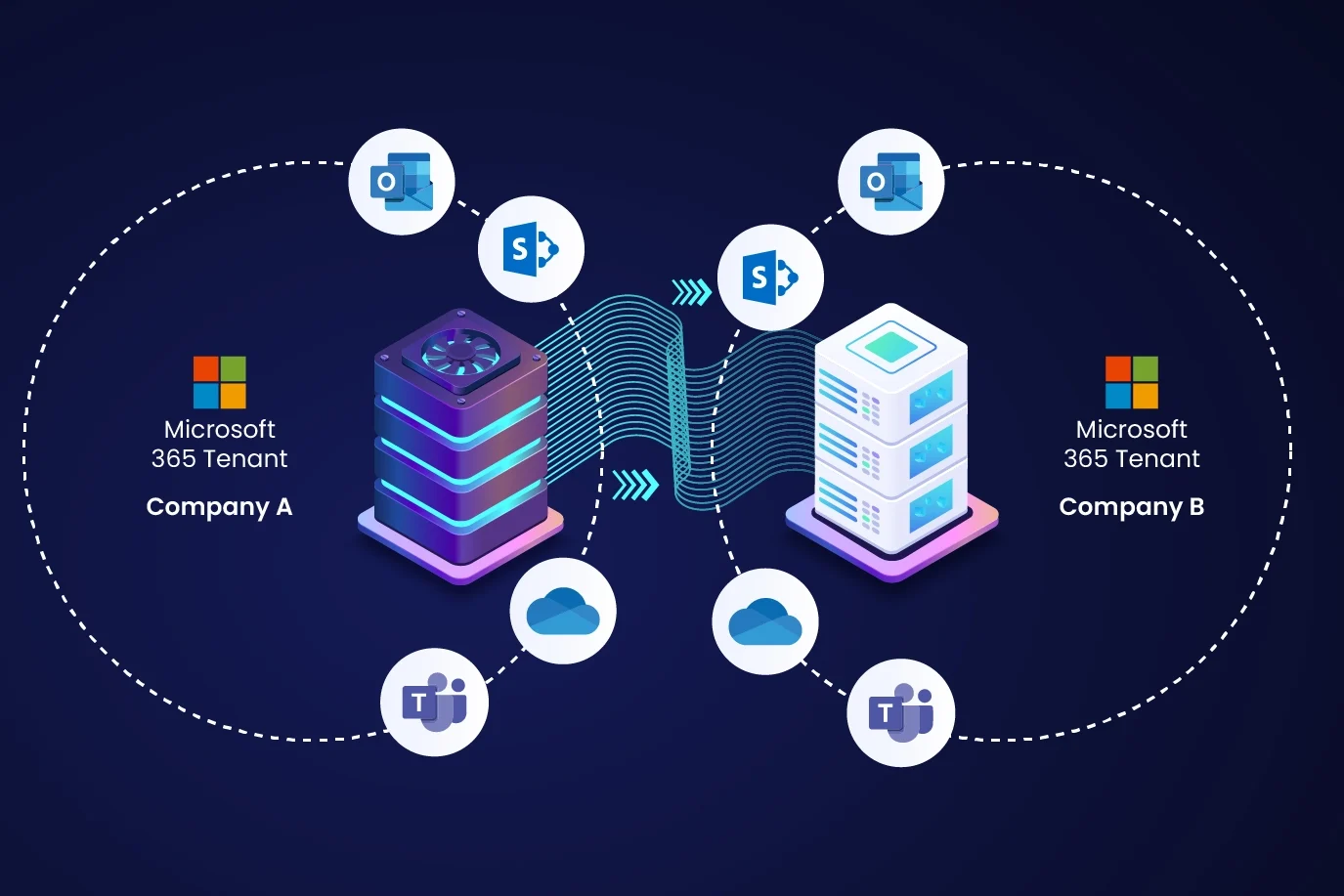
This local nonprofit organization was managing two separate Microsoft 365 tenants— one supporting its primary operations and another supporting affiliated services— both purchased directly from Microsoft and administered independently. While this structure had supported organizational growth over time, it created ongoing challenges surrounding licensing visibility, billing consistency, renewal tracking, and overall cost management.
The organization also maintained Azure subscriptions under Microsoft Direct purchasing models, limiting access to consolidated billing, partner support, and advanced cost-management guidance available through a Cloud Solution Provider (CSP) relationship.
Without centralized oversight, IT administrators lacked streamlined visibility into license allocation, nonprofit SKU alignment, subscription renewal timing, and Azure consumption reporting. Separate billing structures increased administrative overhead and made long-term budgeting more difficult.
Additionally, inconsistent Microsoft 365 licensing across users complicated security standardization efforts and created unnecessary complexity for IT administration. The organization wanted to align all users under consistent Microsoft nonprofit licensing while maintaining uninterrupted access to Exchange Online, Teams, OneDrive, SharePoint, and Azure resources.
At the same time, the organization wanted to avoid any disruption to existing workloads, tenant configurations, or cloud services. The goal was to modernize licensing, billing, and support relationships without introducing risk through tenant merges, migrations, or infrastructure redesigns.
To address these challenges, the nonprofit partnered with Data Networks to execute a comprehensive Microsoft nonprofit licensing modernization initiative focused on nonprofit licensing optimization, Azure billing consolidation, and improved cloud cost visibility.
The Solution: Microsoft Nonprofit Licensing Alignment and CSP Transition
Data Networks designed and implemented a low-risk Microsoft nonprofit licensing strategy that streamlined licensing management, improved billing transparency, enhanced nonprofit SKU alignment, and consolidated Azure visibility under a centralized Cloud Solution Provider relationship.

The engagement began with a detailed review of the organization’s existing Microsoft 365 tenants, license assignments, Azure subscriptions, administrative access structures, and billing arrangements. Data Networks validated current subscription usage and developed nonprofit-eligible licensing recommendations aligned with actual user requirements and long-term operational goals.
To support simplified billing and co-terminated renewals, Data Networks coordinated licensing schedules so all Microsoft 365 subscriptions and Azure CSP services would align under consistent monthly billing cycles.
The project included establishing Microsoft CSP reseller relationships for both Microsoft 365 tenants and onboarding designated Azure subscriptions into Data Networks’ CSP program. Delegated administration was validated to ensure appropriate access to Microsoft 365 Admin Centers, Azure billing visibility, and cost-management reporting tools.
As part of the migration, Data Networks provisioned equivalent nonprofit-eligible Microsoft 365 subscriptions under the new CSP arrangement while preserving all existing workloads, tenant configurations, and end-user services. Legacy direct-bill subscriptions were retired following validation of successful license reassignment and continuity of services.
The engagement included license realignment activities across both Microsoft 365 tenants, ensuring uninterrupted access to:
- Exchange Online
- Microsoft Teams
- OneDrive for Business
- SharePoint Online
- Microsoft 365 collaboration services
To support security consistency and administrative simplification, the organization aligned users to standardized Microsoft nonprofit licensing that included Microsoft Defender for Office 365 Plan 1 protections, helping improve security coverage while reducing split-license management complexity.
In parallel with the Microsoft 365 transition, Data Networks onboarded the organization’s Azure subscriptions into the CSP billing structure to provide centralized invoicing and improved Azure Cost Management visibility.
As part of the Azure advisory review, Data Networks evaluated opportunities for cloud cost optimization, including:
- Azure Hybrid Benefit eligibility
- One-year Reserved Instance opportunities
- Managed disk optimization candidates
- Virtual machine consumption visibility
- Azure cost-management reporting improvements
The advisory review focused on improving budgeting transparency and identifying long-term optimization opportunities without requiring infrastructure redesign, workload migration, or Azure architecture changes.
Throughout the engagement, Data Networks coordinated all licensing transitions, billing validation activities, delegated administration setup, and stakeholder communications to ensure a seamless migration experience with no end-user downtime.
The project concluded with administrative validation, billing verification, licensing documentation, CSP relationship confirmation, and a formal project closeout session with organizational stakeholders.
The Result: Simplified Microsoft Nonprofit Licensing and Azure Management
The completed Microsoft nonprofit licensing initiative delivered a more transparent, cost-effective, and operationally streamlined cloud licensing model for the nonprofit organization.
The organization now benefits from centralized CSP billing, clearer license management visibility, improved nonprofit SKU alignment, and consolidated Azure cost reporting across both Microsoft 365 tenants and Azure subscriptions.
By transitioning away from Microsoft Direct purchasing models, the nonprofit gained access to enhanced partner support, improved responsiveness, simplified billing cycles, and stronger long-term cost management capabilities.
The project also eliminated fragmented licensing structures and improved consistency across Microsoft 365 security protections, helping reduce administrative overhead while strengthening standardization across users and services.
Most importantly, the project achieved these outcomes without disrupting existing workloads, requiring tenant migrations, or introducing operational downtime. All Microsoft 365 services, collaboration platforms, and Azure workloads remained fully operational throughout the transition process.
With improved visibility into licensing, Azure consumption, and nonprofit eligibility alignment, the organization is now positioned with a more scalable and manageable Microsoft cloud environment that supports long-term operational efficiency and financial predictability.
Tags: commercial, non-profit